


Introduction to the Analog Watch
An analog watch is a traditional timepiece that displays time using physical hands moving across a dial. The hour hand, minute hand, and often a second hand rotate around a circular face marked with numbers or indices. This format has remained popular for centuries due to its elegance, simplicity, and visual clarity.
Historical Origins and Evolution
The analog watch traces its roots to early mechanical clocks developed in the 14th century. Wristwatches became widespread in the early 20th century, especially during World War I when soldiers required portable timekeeping. Over time, analog watches evolved from purely mechanical devices to include quartz and automatic movements, offering greater accuracy and convenience.

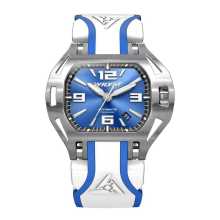
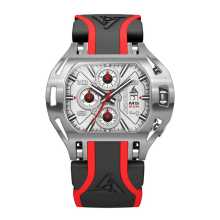
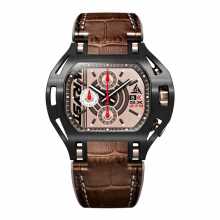
Analog Watch Wryst
Key Components of an Analog Watch
-
Dial: The face of the watch where time is displayed
-
Hands: Hour, minute, and second hands rotate to indicate time
-
Movement: The internal mechanism that powers the watch
-
Crown: A small knob used to set the time and wind the watch
-
Case: The protective housing for the movement and dial
-
Crystal: The transparent cover over the dial, often made of mineral glass or sapphire
Types of Movements in Analog Watches
-
Mechanical Movement: Powered by a mainspring that requires manual winding. Known for craftsmanship and longevity
-
Automatic Movement: Self-winding through wrist motion. Ideal for daily wear
-
Quartz Movement: Battery-powered and highly accurate. Requires minimal maintenance
Display Styles and Variations
Analog watches come in various styles to suit different preferences
-
Classic: Features Roman numerals or simple indices
-
Sport: Includes chronograph functions and luminous hands
-
Dress: Slim profile with elegant design for formal occasions
-
Skeleton: Exposes the internal movement for visual appeal
How to Read an Analog Watch
Reading an analog watch involves observing the position of the hands
-
The short hand indicates the hour
-
The long hand shows the minutes
-
The thin hand tracks seconds
Some models include subdials for additional functions such as date, stopwatch, or dual time zones.
Advantages of Wearing an Analog Watch
-
Visual Appeal: Offers a classic and refined look
-
Craftsmanship: Represents centuries of horological expertise
-
Battery Life: Mechanical and automatic models do not require frequent battery changes
-
Tactile Experience: Engaging interaction through winding and setting
Common Questions About Analog Watches
Does an analog watch need a battery? Quartz analog watches use batteries. Mechanical and automatic models operate without batteries
Can analog watches be waterproof? Many analog watches offer water resistance. Always check the rating before exposure to moisture
What is the difference between analog and digital watches? Analog watches use hands to show time. Digital watches display time as digits on a screen
Are analog watches accurate? Quartz analog watches are highly accurate. Mechanical ones may vary slightly but offer charm and tradition
Buying Tips for Analog Watches
-
Choose movement type based on lifestyle
-
Consider case size and material for comfort and durability
-
Look for sapphire crystal for scratch resistance
-
Select a reputable brand with service support
-
Match the style to your wardrobe and occasions
Caring for Your Analog Watch
-
Store in a dry place away from magnets
-
Wind mechanical watches regularly
-
Replace batteries in quartz models every few years
-
Service automatic watches every 3 to 5 years